
Why is building confidence an important part of caring for your dog?
Confidence is often an overlooked part of training, yet it can have a huge impact on your
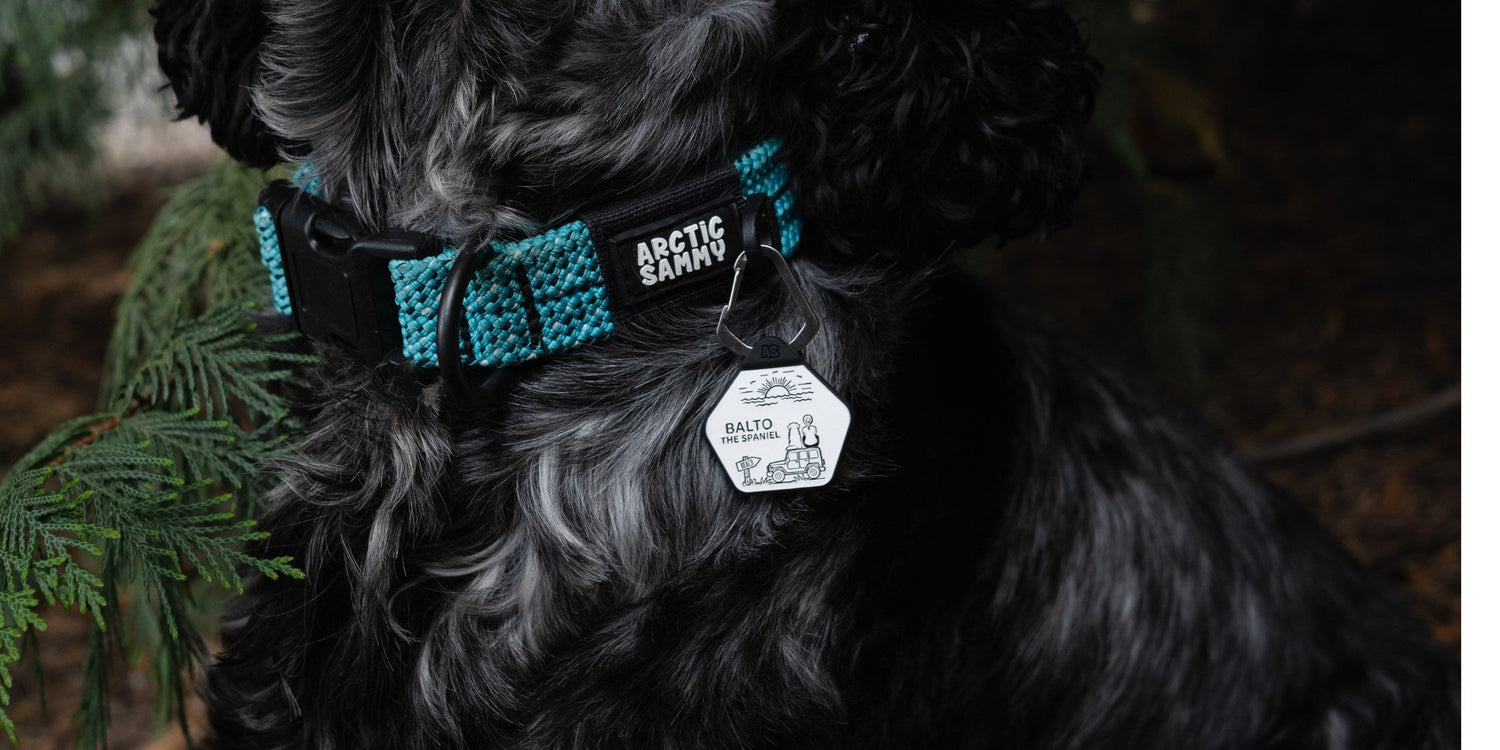
dog’s overall health, happiness, and ability to navigate daily life. Dogs that lack confidence may struggle with things that seem small to us - like the sound of a jingling name tag or a trip away from home - while a confident dog is more likely to adapt to new situations, explore the world with ease, and confidently tackle challenges like that scary-looking swing bridge.
We have spoken to Lorna from Canine Health Hub to find out more.

Arctic Sammy: Hi Lorna, thanks for being part of AS Think Dog :). Tell us a little bit about yourself!
Lorna: I’m Lorna & I’m a canine rehabilitation therapist and the founder of Canine Health Hub. I’m super passionate about helping dogs (particularly seniors!) stay stronger, happier, and moving comfortably for as long as possible. I support dog owners all over the world through online challenges, workshops, community, and an exercise library packed with simple ways to help their dogs at home. I truly believe helping your dog stay healthy should feel simple, achievable, and affordable. I love thinking outside the box by using everyday household items, simple routines, and small daily habits to help dogs move better, feel stronger, and thrive at home without overcomplicating things.

Arctic Sammy: What are the benefits of a confident dog?
Lorna: Confidence can improve your dog’s quality of life in so many ways. Confident dogs are often more relaxed on walks, cope better with changes like new or temporary environments (think overnight hikes, holidays, or a full house at Christmas), learn new skills faster, and recover more easily from stressful situations. Building confidence can help your dog feel safer and more secure in the world around them which can reduce issues like fear that are often displayed as reactivity, aggression, or nervousness.
How do I know if my dog lacks confidence? Dogs with low confidence may appear nervous, hesitant, or easily startled. Some common signs include hiding, avoiding new environments, trembling, excessive barking, reluctance to explore, or struggling around unfamiliar dogs or people. Some dogs may even seem “stubborn” when they’re actually unsure or overwhelmed. Lack of confidence isn’t just seen in puppies and rescue dogs, it can also appear after an injury, illness, or surgery, or as our dog’s age and things like sight and hearing start to decline. How can I build my dog’s confidence naturally?
Start small and make success easy. Reward curiosity, allow your dog to explore at their own pace, and avoid forcing them into overwhelming situations. Activities like gentle obstacle courses, balance work, scent games, trick training, and controlled social experiences can all help build confidence over time. If your dog is brave enough to sniff, touch, or interact with an object that’s new or scary to them - reward that behaviour with food or play!

Arctic Sammy: That sounds super interesting! How can confidence-building be incorporated into daily life?
Lorna: Tiny moments matter! Scatter treats in the grass for sniffing games, encourage your dog to step over different textures or jump on unstable things like logs or rocks, practise simple training during walks or in new environments, or introduce safe new experiences regularly. Confidence doesn’t need to be another thing on the to-do list, it can easily be a part of your usual routines.

Arctic Sammy: When should you start with this?
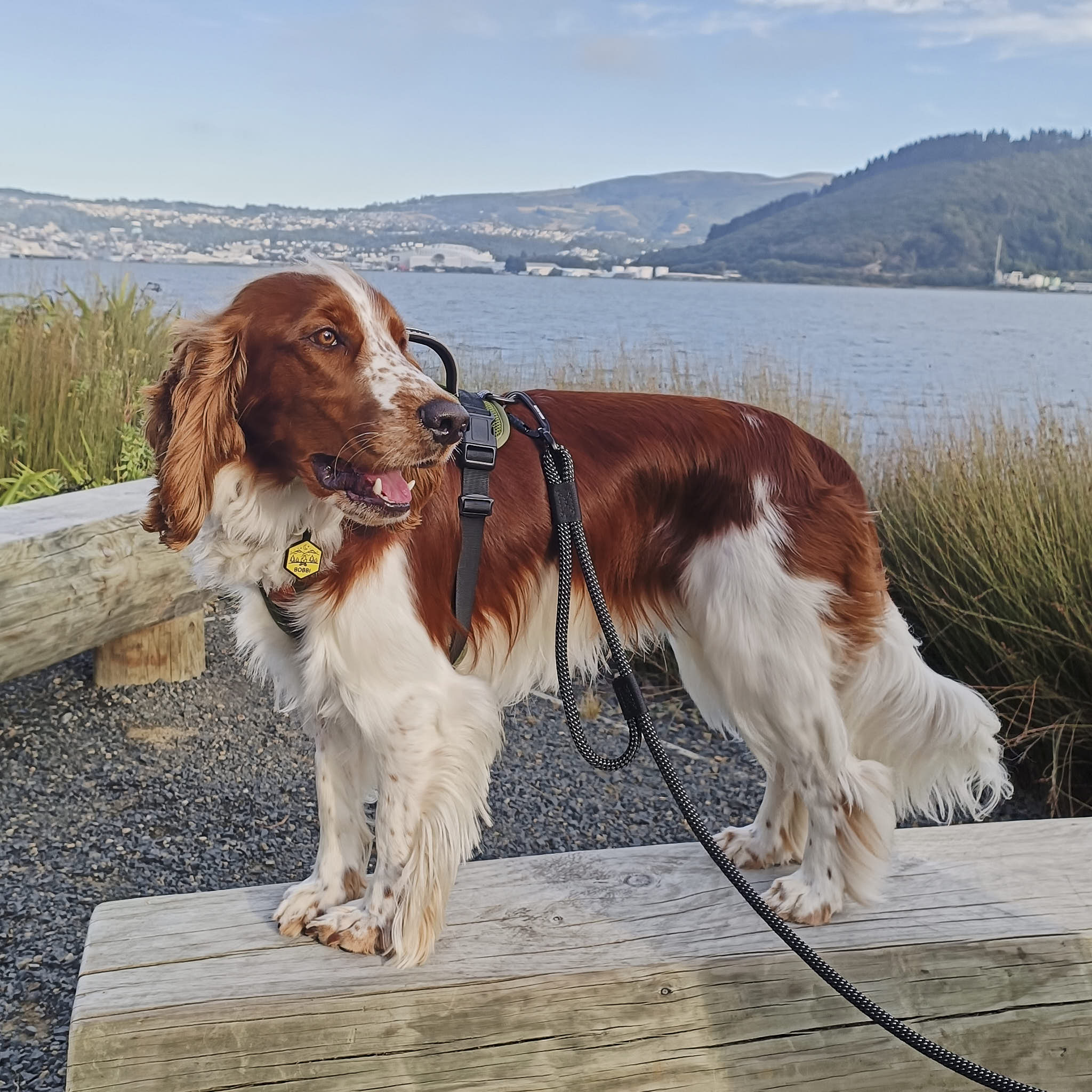
Lorna: Right now! It can be as simple as serving their dinner inside a cardboard box tonight (it can be scary putting their head into a foreign object). Or on your walk tomorrow morning ask them to put their paws up onto a park bench or the roundabout at the playground! Even five minutes a day of positive challenges can make a big difference. If your dog is willing to do a trick, play a game with you, or actually relax, in a brand new environment - then you know you’re nailing it! Confidence isn’t built overnight - it’s built through trust, consistency, and helping your dog feel successful every step of the way from puppyhood all the way to retirement. But I promise you that the more you build on it, the more you’ll see the difference - your dog might even cope better during those extra scary times like bonfire night and new years eve.

Arctic Sammy: Where can we find more information?
Lorna: I have created an easy to use app to help you navigate through it with ease and at your own pace. You can find me at caninehealthhub.com or on socials @caninehealthhub. Here you can find all step by step exercises and tips which you can integrate into your daily life with your dog.