
Dogs experience the world very differently from us. While humans rely heavily on sight, dogs rely primarily on smell. That’s why activities like scent work (nosework) can be incredibly powerful for both dogs and their humans.
We spoke with Sarah from CANINE.NZ to learn more about how scent work works, why it’s so beneficial for dogs, and how anyone can get started.

Arctic Sammy: How did you first get into scent work?
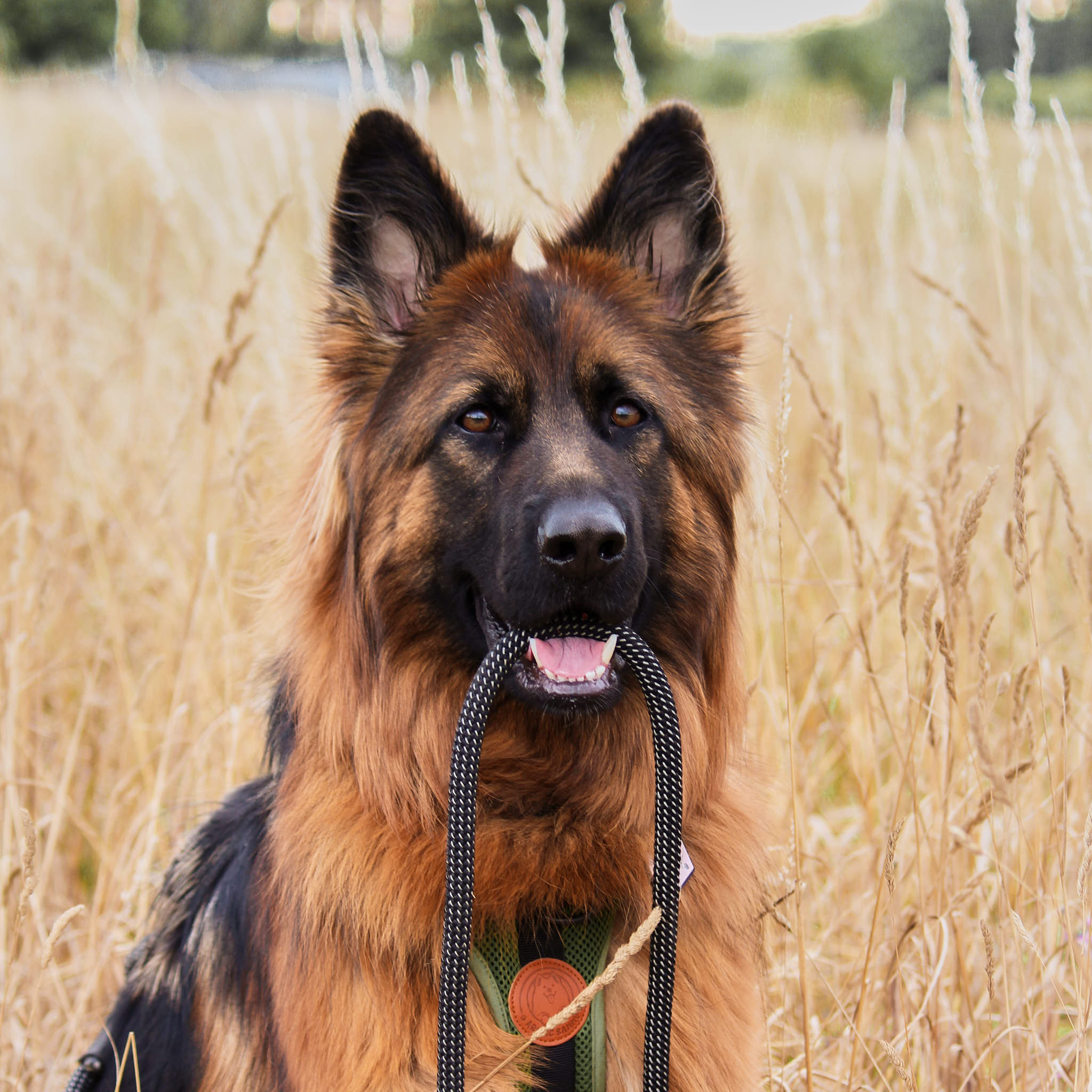
Sarah: I was introduced to scent work while studying for my first dog trainer qualification with my first German Shepherd, Charlie. During the course we spent about four weeks learning the basics of the sport, and I was instantly intrigued.
After those few weeks I thought it would be a good idea to enter a trial.
Looking back, that was a little ambitious. We entered the trial a few weeks later and completely bombed it. We didn’t qualify in anything. But instead of discouraging me, it lit a fire. I wanted to understand the sport better and become really good at it.
That experience started a long scent work journey. I studied with trainers from the U.S., the U.K., and other parts of the world, learning different approaches and philosophies. Over time I developed a style that worked for me and for the people I coach.

Arctic Sammy: What makes scent work so special compared to other dog sports?
Sarah: One of the most interesting things about scent work is that we aren’t really teaching dogs how to use their nose. Dogs already know how to do that instinctively. What we are doing is teaching them to locate a specific odor.
Once that happens, the roles between dog and handler change compared to many other sports. In many dog sports the handler directs most of the activity. In nosework, the dog is the expert.
Dogs “see” odor with their nose in a way we never can. The handler’s role becomes one of observation and support.
That shift can be incredibly rewarding. It allows the dog to take the lead while the handler learns to read and understand their dog in a completely different way.

Arctic Sammy: Why do people say sniffing is a dog’s superpower and why do you think it is so important?
Sarah: Dogs experience the world primarily through scent.
From the moment puppies are born, they begin learning about their environment through smell. The odors they encounter are stored and categorized in their brain almost like files in a cabinet.
Humans are visual creatures. Dogs do use vision, but their sense of smell provides most of their information about the world.
Through scent they can tell:
-
who has been somewhere
-
what happened there
-
how another animal or person might be feeling
Dogs can even detect incredibly small chemical changes in the human body. That level of sensory awareness is why sniffing is often referred to as a dog’s superpower.

Arctic Sammy: What are the benefits of scent work for dogs?
Sarah: Scent work has many benefits, both mental and emotional.
One of the most commonly discussed benefits is confidence building, especially for dogs that are sensitive or cautious about the world.
When dogs search, they learn autonomy. They learn to problem-solve and make decisions without constant direction from the handler. That ability can be incredibly empowering.
Another important benefit is mental stimulation. Searching engages the brain in a natural way and often helps dogs relax. Many dogs finish a short search session feeling calm and satisfied.
Some people say scent work is the perfect sport for reactive dogs. While it can help many dogs build confidence, it’s not always a simple solution. Many reactive dogs still need additional life skills and emotional support outside of the sport.
Even if a dog never competes, scent work can still provide incredible enrichment.

Arctic Sammy: What types of dogs can do scent work?
Sarah: Almost any dog can participate in scent work.
All breeds, ages, and personalities can enjoy searching. Because the activity is low impact but mentally engaging, it works well for:
-
puppies
-
adult dogs
-
senior dogs
Some dogs may not enjoy the pressure of competition environments, but they can still love the activity itself.
As enrichment, scent work is truly something that almost every dog can benefit from.

Arctic Sammy: How long does it take to learn the basics?
Sarah: This depends on the goals of the handler.
For teams who want to compete in trials, it typically takes 12–24 weeks of structured classes to build the foundational skills needed.
For people who simply want to enjoy scent games at home, the basics can often be learned much faster. Many dogs and handlers can start playing simple scent games within 6–12 weeks.
The key is helping the dog build confidence while teaching the handler how to read their dog’s body language.

Arctic Sammy: If someone has never tried scent work before, what is the best way to start at home?
Sarah: The easiest way to start is simply by letting your dog search for something they already love.
That could be:
-
a piece of food
-
a favourite toy
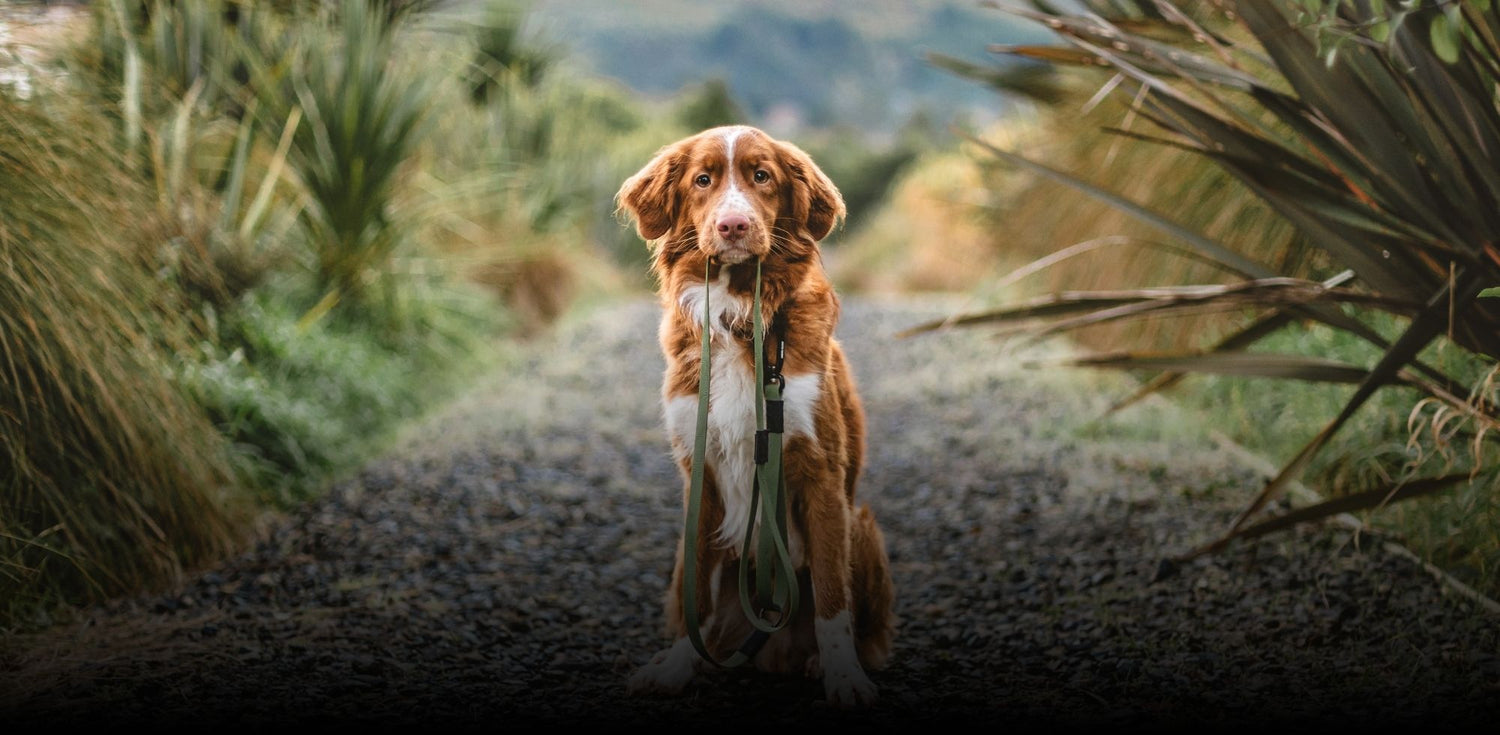
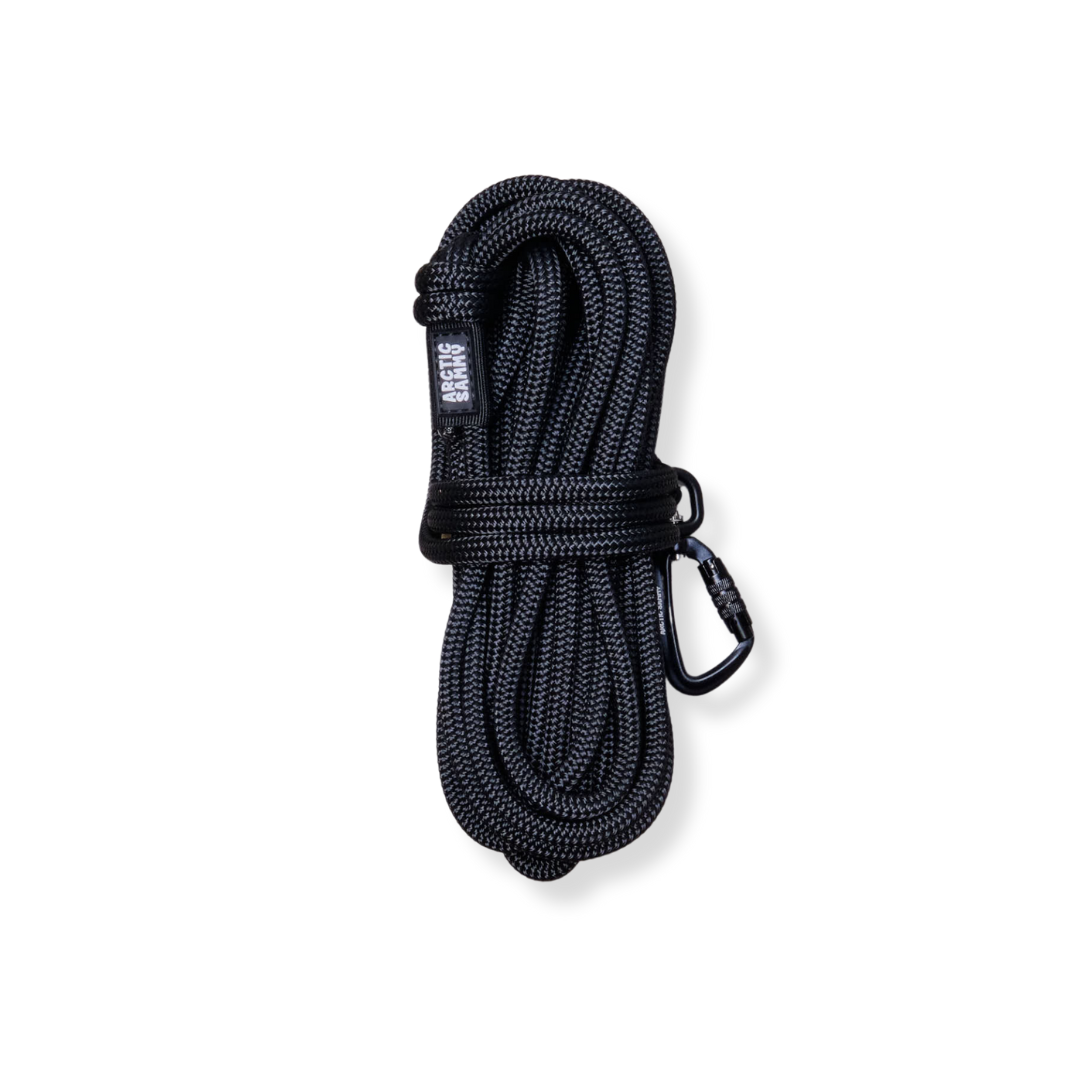
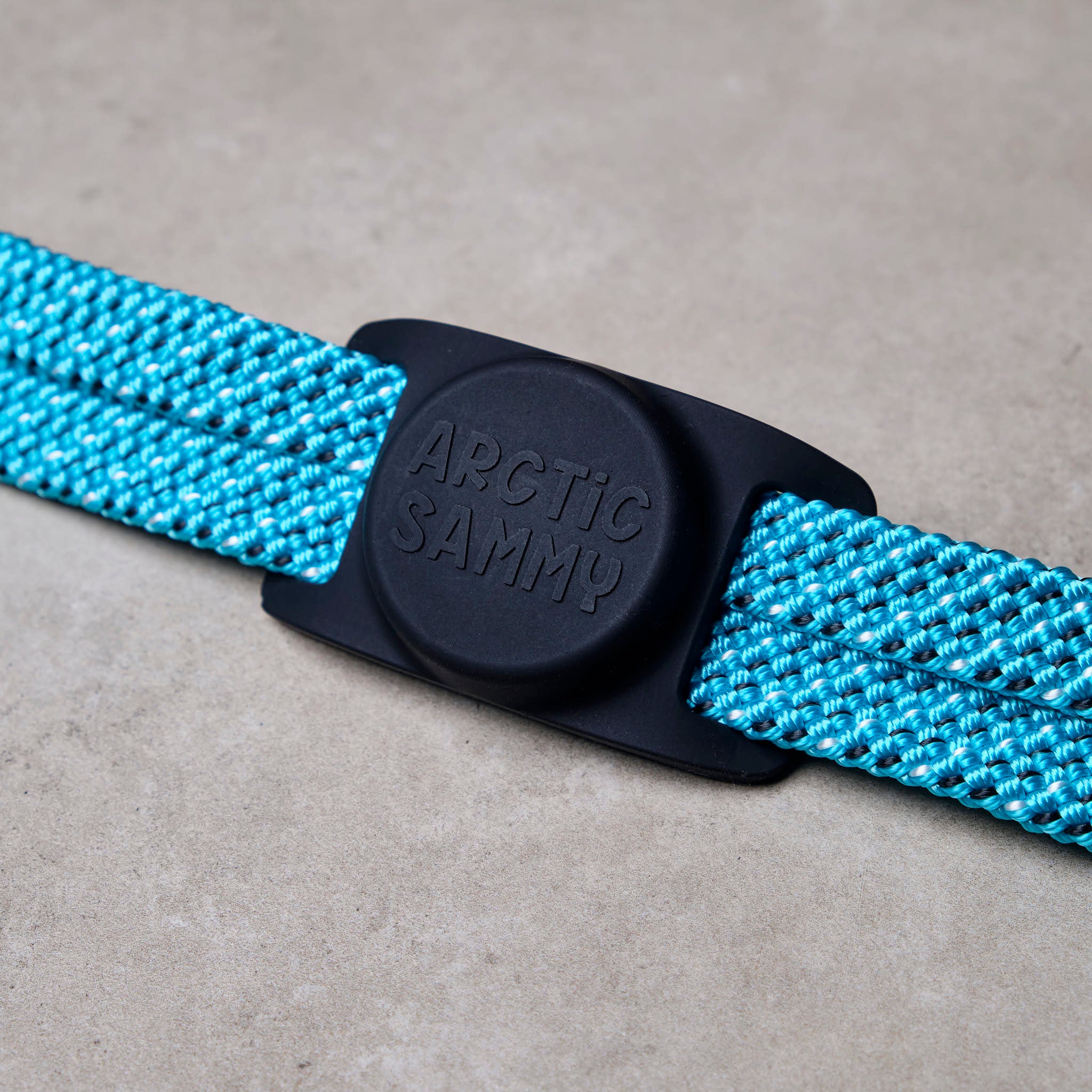
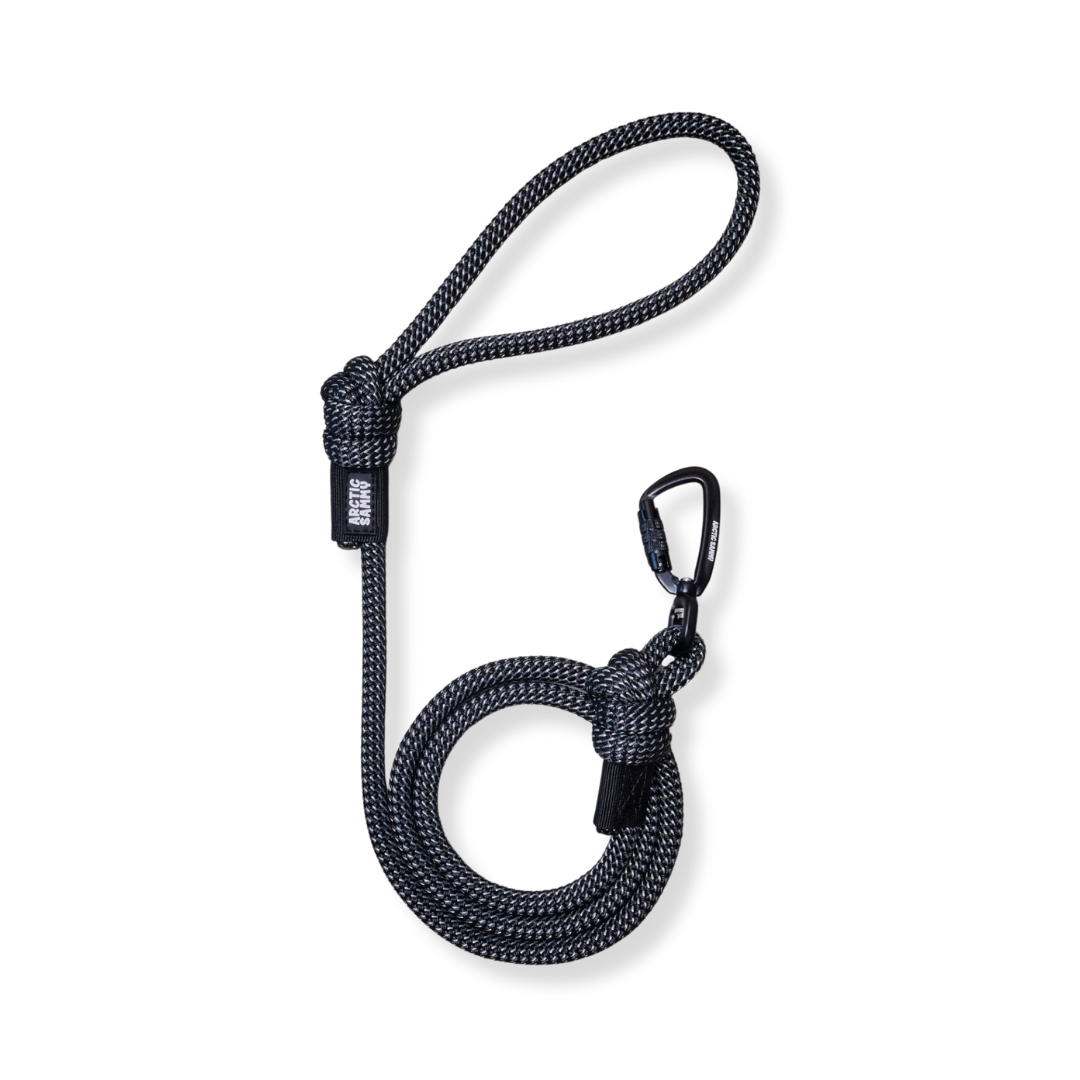
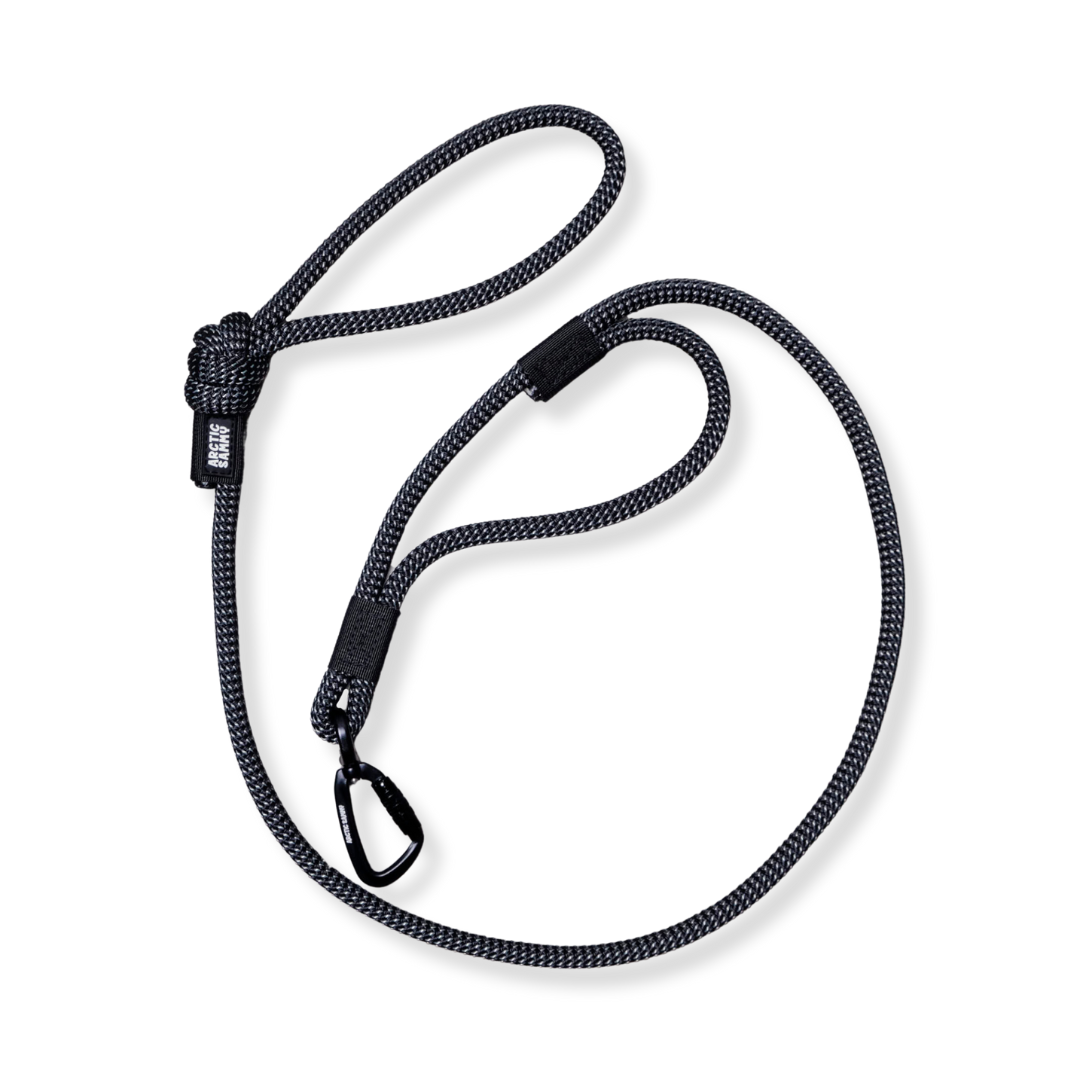
Hide it somewhere simple and let your dog hunt for it. Giving your dog a little extra freedom on a long line or scent work leash allows them to search more naturally while still staying safely under control. Browse our Scent Work Leashes
You don’t need formal scent work odors to begin. In fact, starting with food or toys can be extremely helpful. It allows you to observe your dog’s natural searching behaviour and build positive emotional experiences around hunting.
Arctic Sammy: What are some misconceptions about scent work?
Sarah: One common misconception is that every dog will enjoy competing in nosework trials.
While many dogs love the activity itself, the trial environment can be challenging. There are unfamiliar places, new people, other dogs, and often a lot of pressure.
Some dogs thrive in that environment, while others prefer scent work purely as enrichment.
Both outcomes are completely valid.
Arctic Sammy: What equipment do you need for scent work?
Sarah: To get started, you actually don’t need much.
For enrichment at home, cardboard boxes and food rewards are enough.
For teams interested in competition, typical equipment includes:
-
a long line or dedicated scent work leash – we generally recommend using a longer leash to allow dogs to search naturally while still remaining safely connected to the handler. You can see our range of Scent Work Leashes here.
-
an odor kit
-
various search containers (planter pots, buckets etc.)
But even competitive teams often start with simple setups during early training.

Arctic Sammy: Why is it important to let dogs sniff more?
Sarah: When you allow your dog to sniff, you start learning a lot about them.
You begin noticing subtle body language changes and how they interact with their environment. Sniffing gives dogs a chance to experience the world in the way that feels most natural to them.
For many dogs, simply being allowed to sniff more on walks can make a huge difference in their overall well-being.
Arctic Sammy: A favourite scent work success story
Sarah: Some of the most meaningful stories involve dogs that originally came to training because they were struggling with behavioural challenges.
Through scent work, the human often begins to see their dog differently.
They learn to observe their dog, understand them, and appreciate who they are rather than focusing only on the challenges.
Those moments — when people start to truly understand their dogs — are some of the most meaningful successes for a trainer.

Arctic Sammy: How do your scent work courses work?
Sarah: My current nosework program has two primary levels.
Level 1 introduces target odor through a series of ten foundational games designed to teach dogs how to search and build strong value for the odor.
Level 2 focuses on the specific search elements used in competition, including containers, interiors, exteriors, and vehicles.
Looking ahead to 2027, I’m planning to add two additional prerequisite courses. These will focus on teaching dogs to first hunt for food or toys, helping them build strong hunt drive before transferring that behavior to the target odors used in competitions.
This structure will make nosework more accessible as an activity for any dog, while still supporting teams who want to pursue competition.
After completing the courses, teams are invited to join a member community called Scent Squad. Members receive monthly lectures on scent work topics and can also take part in the community that helps host nosework trials in the Auckland area.
All of my courses are currently online, which allows me to support teams throughout New Zealand who compete in both Dogs New Zealand and Scent Sport Association of New Zealand events.
The next Level 1 class begins in September 2026.
If you’re getting started with scent work, having the right equipment can make searching much easier and more enjoyable for both you and your dog. Our lightweight, purpose-built Scent Work Leashes are designed to give dogs the freedom to explore while keeping them safely connected
You can find Sarah's scent work courses here.
All photos are property of Grace Matulovic of Paws the Moment Photography and Arctic Sammy